Skin health is a vital part of our overall well-being, yet it remains clouded by numerous myths and misconceptions. Misunderstandings about sun exposure, skin cancer risks, and self-examinations can lead to complacency, often at a high cost. Thermovision is here to address these myths and provide accurate insights, using advanced thermal imaging technology to empower users in monitoring their skin. In this article, we’ll explore some common skin myths, answer frequently asked questions, and explain how Thermovision dispels them with science-backed precision.
Myth: Darker skin tones are not at risk for skin cancer
This is one of the most dangerous misconceptions about skin health. While it’s true that individuals with lighter skin are more prone to sunburns and UV-related skin damage, skin cancer can affect anyone, regardless of skin tone. In fact, melanoma in individuals with darker skin is often diagnosed at a later stage and tends to occur in areas less exposed to the sun, such as the palms, soles of the feet, and under the nails. According to the UK’s National Health Service (NHS), melanoma survival rates are lower in people with darker skin, simply because early detection is less common. Thermovision addresses this gap by enabling users of all skin tones to monitor their skin regularly for any unusual temperature changes, which could be indicative of underlying skin issues.
Myth: Sunscreen is only necessary on sunny days
Another harmful myth is that sunscreen is only required during sunny weather or while tanning. In reality, UV rays can penetrate through clouds, and daily exposure adds up over time, even in the UK where cloudy skies are common. According to Cancer Research UK, UV exposure is a major risk factor for all types of skin cancer, contributing to about 86% of melanoma cases. Thermovision complements sun protection by allowing users to regularly scan their skin for thermal anomalies that could signal damage caused by long-term UV exposure, helping them catch potential issues early.
Myth: Skin cancer always appears as a new mole
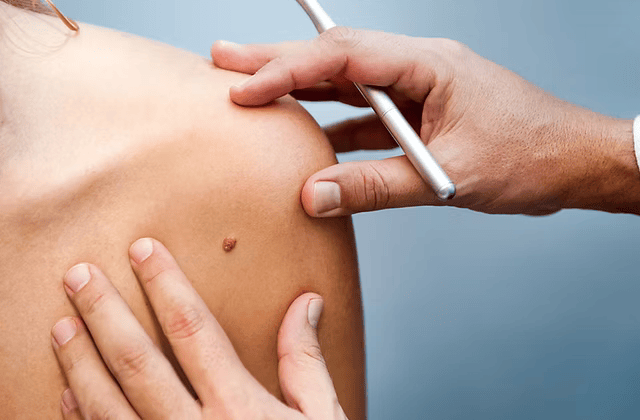
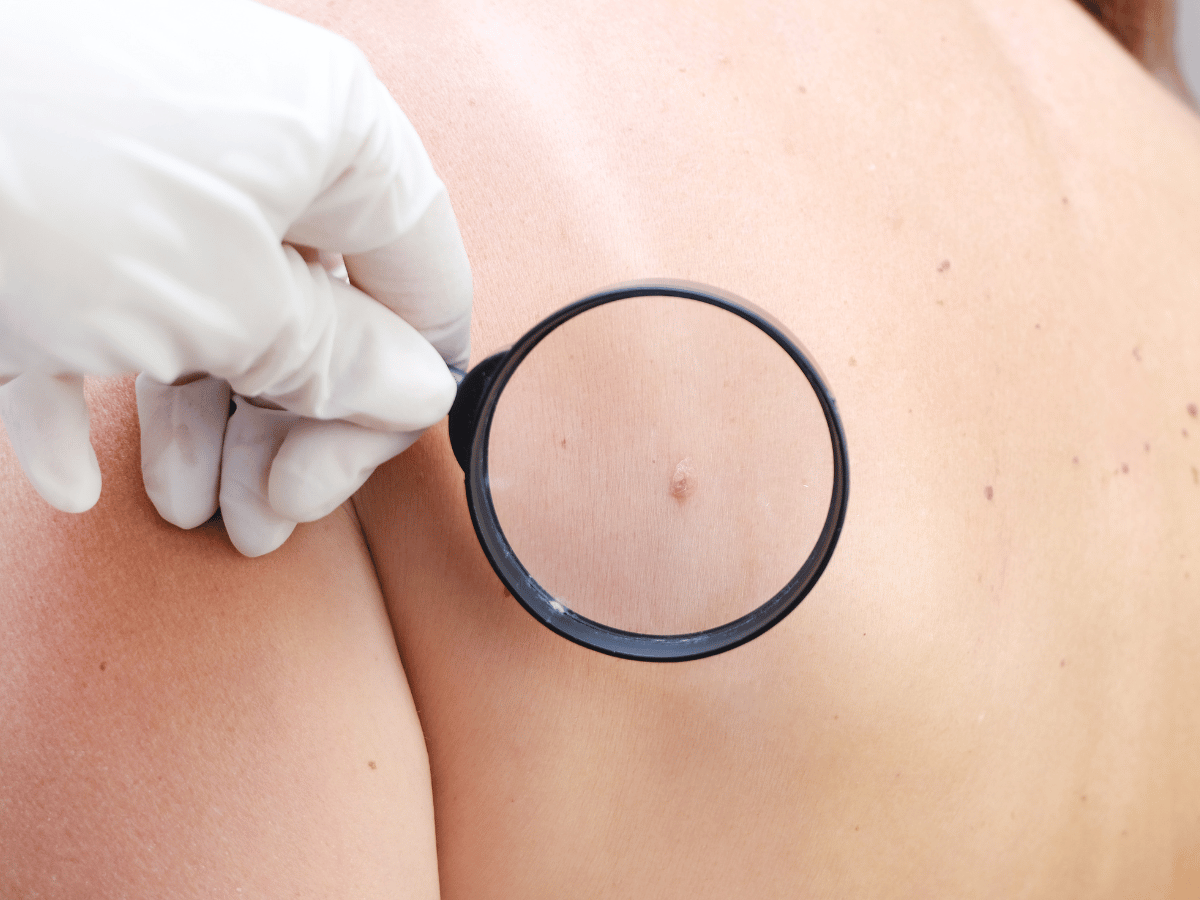
Many people believe that skin cancer always presents itself as a new mole or lesion, but this isn’t always the case. Melanoma can develop in an existing mole or present as a small, subtle change that might not be immediately visible to the naked eye. In some cases, skin cancer may not resemble a mole at all, but instead appear as a sore or red patch. This makes visual self-examinations challenging, as early-stage cancers can easily go unnoticed. Thermovision aids in this area by detecting temperature variations in the skin that can signal abnormal activity, even before it becomes visible.
Myth: Regular skin checks by a dermatologist are enough
While professional skin checks are crucial, they typically happen only once or twice a year. Many people believe these occasional screenings are sufficient, but early detection often depends on what happens between these visits. Small changes in the skin can develop and progress quickly, which is why regular self-monitoring is key. Thermovision provides an additional layer of surveillance, empowering users to conduct frequent skin checks at home, identifying any temperature irregularities that might require medical attention, thus acting as an early warning system.
Myth: Skin cancer only occurs in areas exposed to the sun
It is a common misconception that skin cancer only develops on parts of the body frequently exposed to sunlight. While UV radiation is a leading cause of skin cancer, it can also appear in less obvious areas, such as the scalp, soles of the feet, and even under the nails. In fact, studies have shown that melanoma can occur in places that receive little or no sun exposure. Thermovision’s comprehensive scanning capabilities allow users to monitor all areas of the body, including those that are often overlooked, helping ensure that nothing is missed during self-checks.
Practical tips
Melanoma can develop in unexpected areas, not just sun-exposed ones. Use Thermovision to track subtle changes and monitor your skin regularly. Don't rely on occasional dermatologist visits—daily UV protection and frequent scans can help catch issues early.
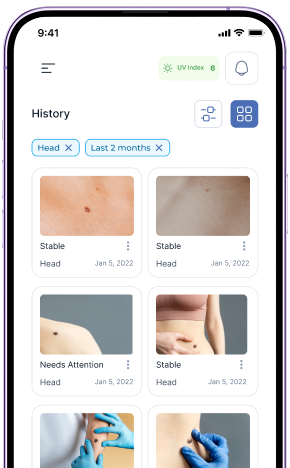
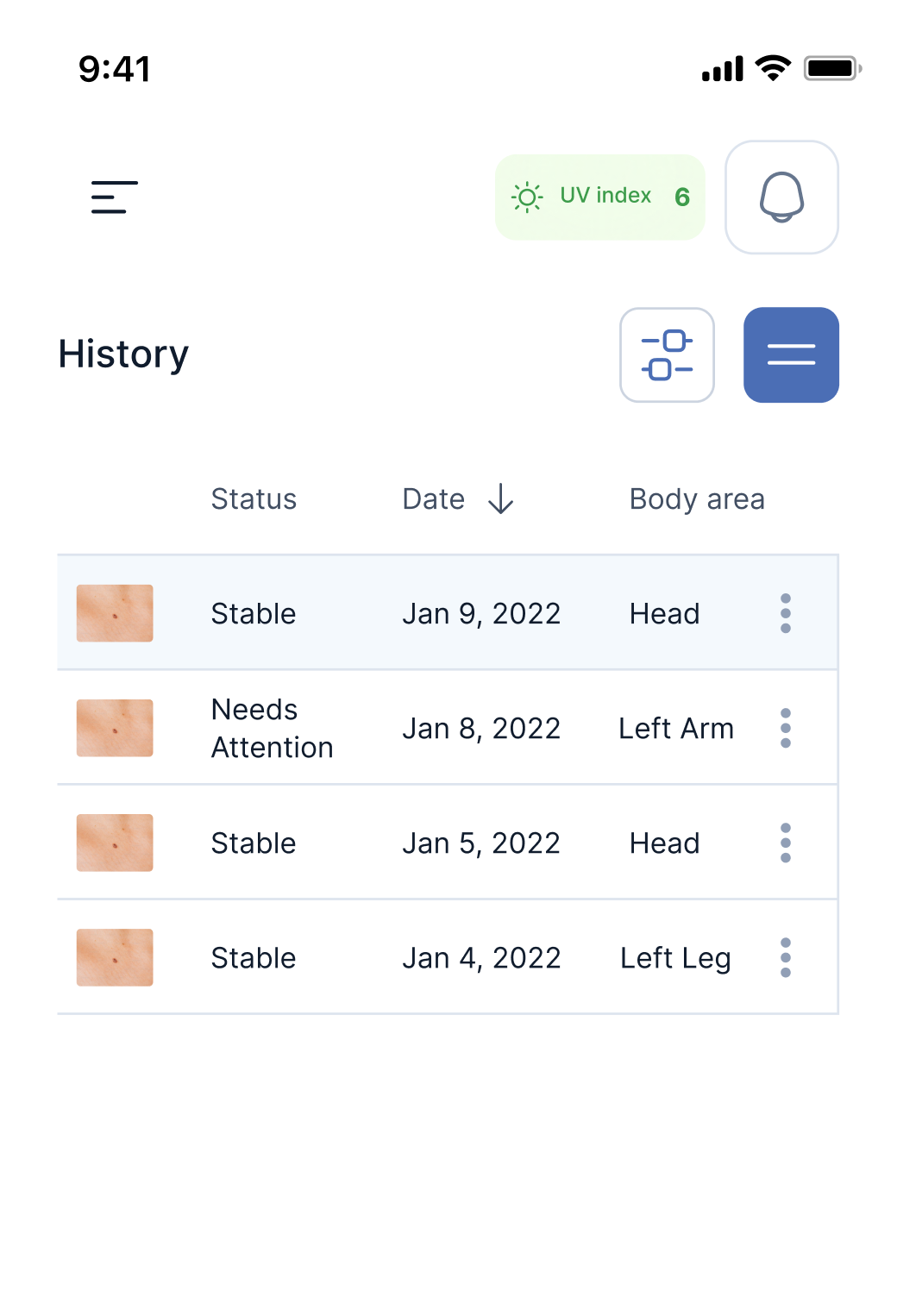
As skin cancer remains a pressing public health issue in the UK, with melanoma rates having increased by 140% in the past 40 years, according to Cancer Research UK, debunking these myths and raising awareness about prevention and early detection is more important than ever. Thermovision provides a science-backed, non-invasive way to help individuals monitor their skin health consistently, offering peace of mind and a proactive approach to skin cancer detection. By integrating this technology into a user-friendly app, we make it easier for people to stay on top of their skin health, regardless of their access to dermatological care or personal risk factors.
In an era where health myths spread quickly, it’s essential to rely on evidence-based solutions. Thermovision’s thermal imaging capabilities and AI-powered analysis provide users with the confidence that they’re getting an accurate picture of their skin health, addressing concerns early before they escalate. Regular use of the app can save lives by encouraging early detection and prompt consultation with a healthcare professional.
By breaking down these myths, we hope to empower individuals to take control of their skin health. Thermovision’s role in skin cancer prevention extends beyond technology—it’s about fostering a mindset of proactive self-care, ensuring that users have the tools to monitor their health and detect skin issues in their earliest, most treatable stages.
Sources:
1. Cancer Research UK. (2023). Melanoma skin cancer statistics. Retrieved from cancerresearchuk.org
2. National Health Service (NHS). (2023). Skin cancer (melanoma) – symptoms and causes. Retrieved from nhs.uk
3. Kittler, H. et al. (2020). “Thermography as a diagnostic tool in melanoma detection: a systematic review,” British Journal of Dermatology.