As awareness of health and wellness continues to evolve,
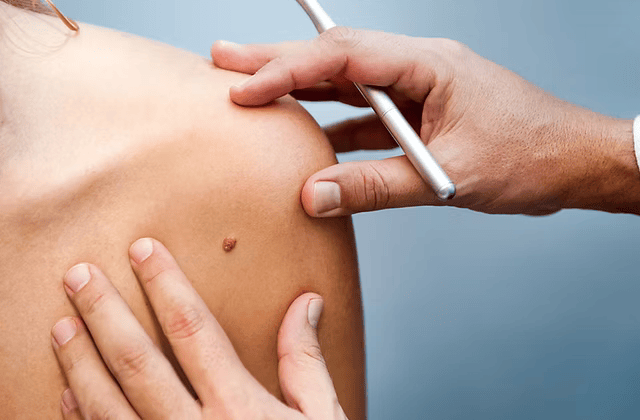
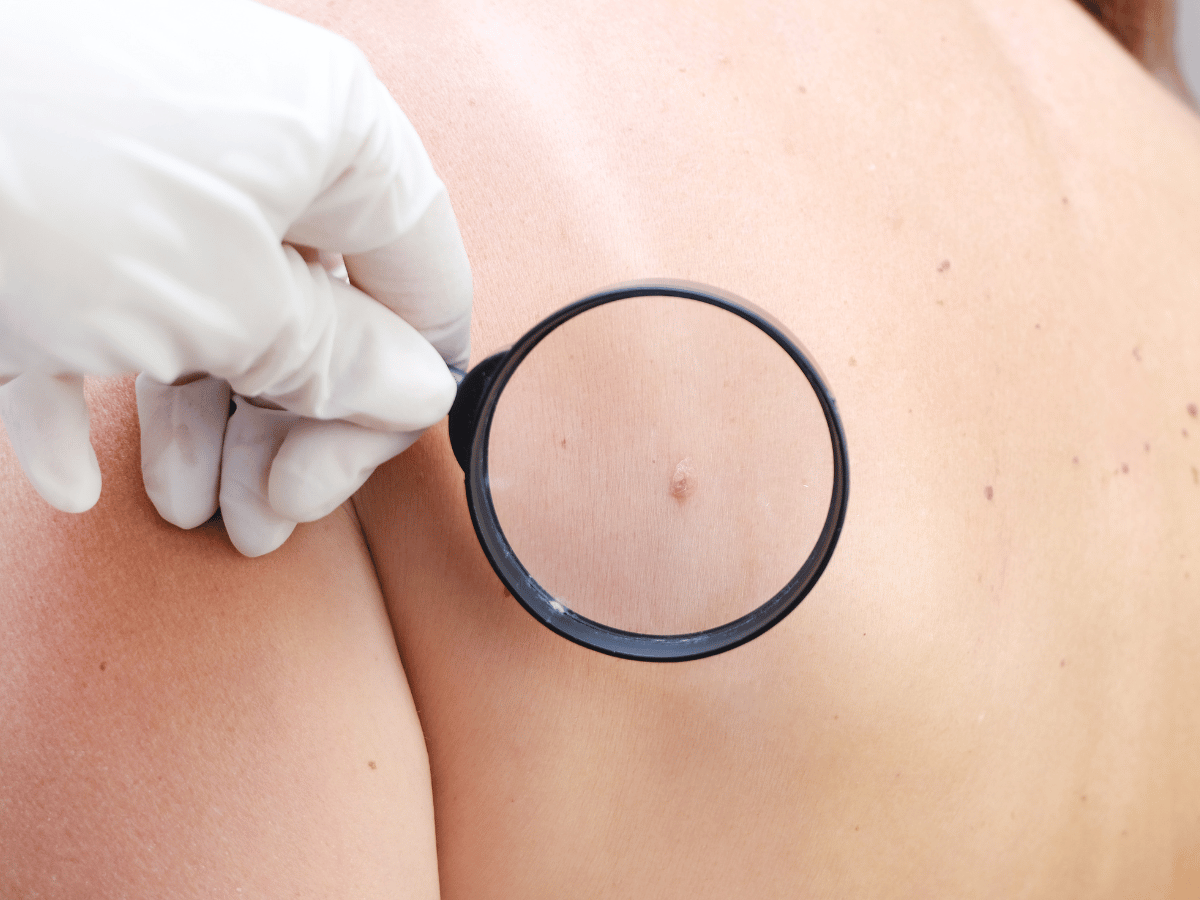
regular skin scans are becoming an essential aspect of skin cancer prevention.
This shift in mindset is particularly crucial in the UK, where skin cancer diagnoses have steadily increased over recent years, prompting experts to advocate for a proactive approach to skin health.
The landscape of skin cancer prevention has changed significantly due to a combination of factors. The rise in sun exposure, coupled with the popularity of sunbathing and indoor tanning, has led to increased risk factors for skin cancer. In fact, the
UK has seen a 72% rise in melanoma cases in the last decade alone, underscoring the need for heightened awareness and regular monitoring.
This statistic is alarming but serves as a powerful motivator for individuals to incorporate routine skin scans into their health regimens.
Regular skin scans serve as a vital tool for early detection.
When skin cancer is identified in its earliest stages, treatment options are generally more effective and less invasive. A study published in the British Journal of Dermatology found that individuals who engaged in regular skin checks were 40% more likely to detect changes early compared to those who did not. This data highlights the profound impact of adopting regular skin scanning practices.
With advancements in technology,
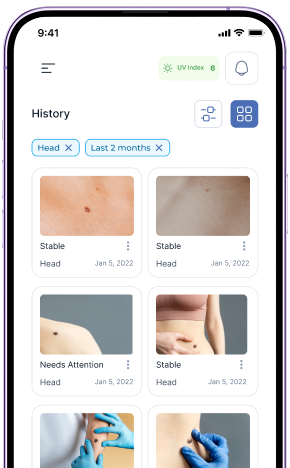
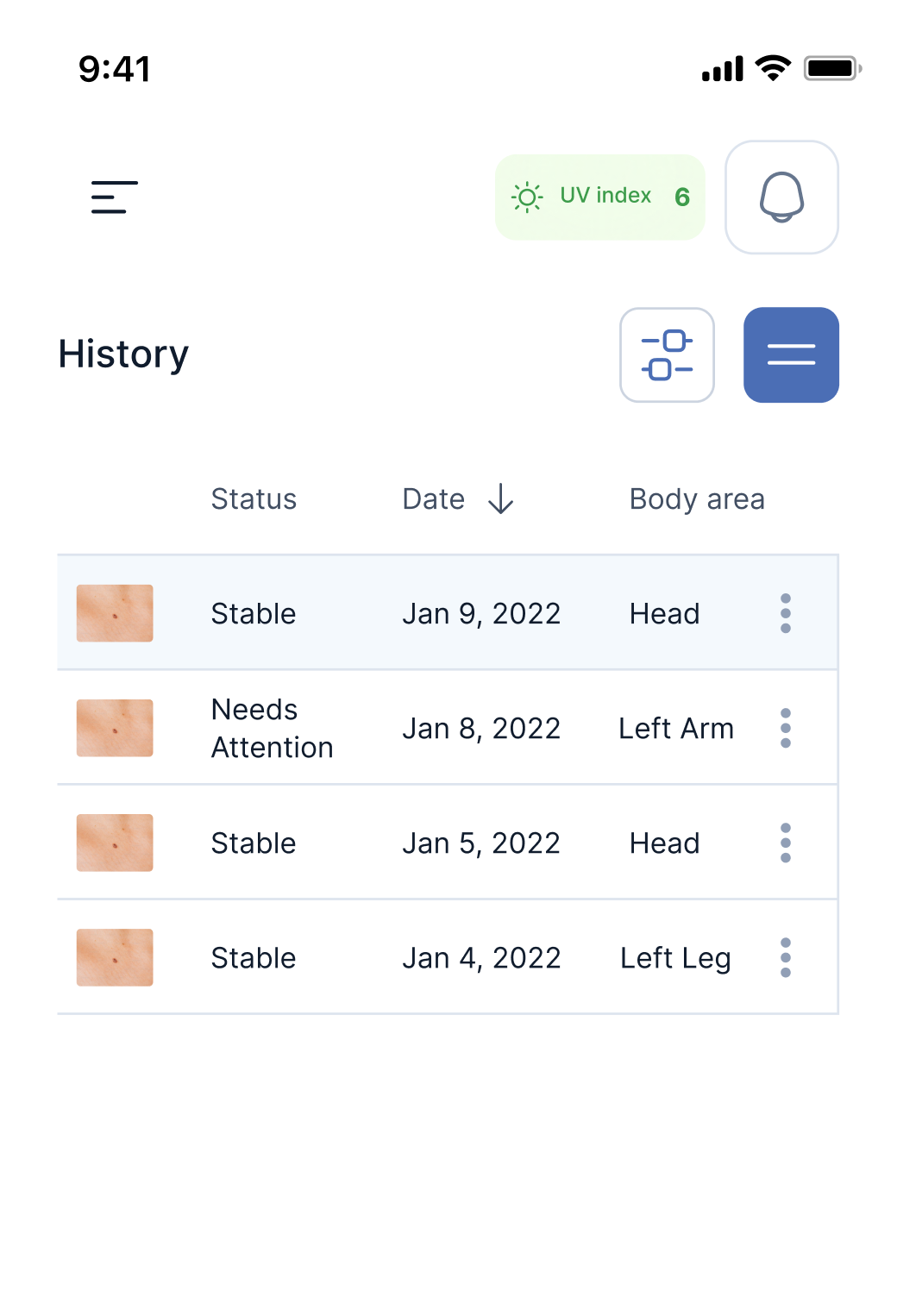
home skin scanning has become more accessible and reliable.
Apps like Thermovision harness the power of thermal imaging to allow users to monitor their skin conditions conveniently. This technology not only enhances the accuracy of self-assessments but also encourages individuals to take a proactive stance on their health. The ease of using such applications means that regular skin scans can become an integral part of a person’s routine, much like brushing their teeth or exercising.
Furthermore,
regular skin scans promote a greater understanding of skin health.
They encourage users to familiarize themselves with their skin’s baseline appearance, making it easier to notice any concerning changes over time. The educational resources provided by platforms like Thermovision enable users to learn about risk factors, signs of skin cancer, and self-examination techniques, leading to improved health literacy.
The normalization of skin scans also extends beyond individual health.
By fostering open discussions about skin cancer prevention within communities, people can encourage one another to be vigilant about their skin health.
This communal approach not only strengthens relationships but also enhances public awareness, as individuals share knowledge and experiences related to skin care and monitoring.
Moreover, integrating regular skin scans into one’s health routine aligns with a broader trend towards preventive care. Just as individuals are encouraged to undergo regular health check-ups or screenings for other types of cancer, skin health should be prioritized in the same manner. With the support of technology and community awareness, adopting this new norm can significantly reduce the incidence of advanced skin cancer cases.
Key Takeaways
Regular skin scans, like those provided by Thermovision, are key for early skin cancer detection. With melanoma cases rising in the UK, incorporating routine checks into daily life can lead to better outcomes. Normalizing these scans in communities helps raise awareness and promote proactive skin health.
Sources:
1. Cancer Research UK. (2023). Skin cancer statistics. Retrieved from cancerresearchuk.org
2. British Journal of Dermatology. (2023). “Impact of Regular Skin Checks on Early Detection of Skin Cancer.”
3. National Health Service (NHS). (2023). Skin cancer prevention and early detection. Retrieved from nhs.uk